Author: David Lussky

  • Will insurance cover fertility treatment in California?

    Will insurance cover fertility treatment in California?

    At Gen 5 Fertility, we believe that no one should have to choose between their dream of having a family and their financial stability. This belief has led us to champion insurance coverage for fertility treatment in California.

    At Gen 5 Fertility, we understand the deeply personal and sometimes challenging journey many individuals and couples face on their path to parenthood. We acknowledge the emotional, physical, and financial aspects of this journey, and it is our mission to provide not only the highest quality fertility care, but also to offer empathy, understanding, and support to each person who walks through our doors. 

    One significant hurdle some of our patients face is the cost of fertility treatments. These procedures, while life-changing and incredibly valuable, can often be a financial burden. We believe that no one should have to choose between their dream of having a family and their financial stability. This belief has led us to champion a cause that is close to our hearts. 

    We are calling attention to a crucial piece of legislation currently under consideration in California. This bill, if passed, would require insurance companies to cover fertility treatments, significantly easing the financial burden for countless individuals and couples who yearn for a family. 

    At Gen 5 Fertility, we believe in the power of this bill and the profound impact it could have on our community. By visiting this link: https://p2a.co/nqaxwgx, you can learn more about the bill, its implications, and how you can take action. Your voice, along with the voices of others in our community, can make a significant difference. We urge you to take a few minutes to support this cause that has the potential to change lives. 

    We are not just a fertility center; we are advocates, supporters, and most importantly, we stand with you in your journey. We believe that access to quality fertility treatment should be a right for all who need it. 

    With your help, we can make this vision a reality. Let us stand together, amplify our voices, and bring about a positive change in the world of fertility treatment. We sincerely thank you for your support and for joining us in this crucial endeavor.

  • What You Can Learn at an Infertility Evaluation

    What You Can Learn at an Infertility Evaluation

    If you’ve been trying to conceive for more than a year without success and want to know the reasons behind your struggle and any next steps you can take, a series of tests called an infertility evaluation can help.

    Have you been trying to conceive regularly for over a year with little luck? This is the benchmark for when couples should seek fertility help; an infertility evaluation is usually the first part of this process. But what does the evaluation teach you, and what will you do going forward?  

    Gen 5 Fertility offers several fertility treatments, analyses, and other services. Our San Diego, California, office is led by our board-certified providers — Dr. Samuel Wood, Dr. Benito Villanueva, and Dr. Martin Bastuba — who each take an individualized approach to every couple and offer the best choices for your particular needs. 

    Why you may need an infertility evaluation

    Trying to conceive a child without success can be difficult for both people and the couple as a whole. People often let their minds wander to all the worst-case scenarios when, often, the problem is minor, treatable, or even nothing at all. 

    An infertility evaluation can seem a little daunting at first, and for some, the fear of getting unfavorable results can loom heavy. But in truth, most people find their issue with fertility (if there is one) can be easily managed with treatments.  

    What an infertility evaluation entails 

    The evaluation is a series of diagnostic questionnaires, tests, and exams, all designed to uncover factors that may make it difficult for you to conceive. Most of the procedures involved in this evaluation are noninvasive and painless.  

    Medical history 

    With your medical history, we may be able to uncover certain conditions in your family tree that sometimes cause problems with fertility. For example, PCOS, cystic fibrosis, endometriosis, hormone imbalances, or cancer could make it harder to conceive.  

    Semen analysis 

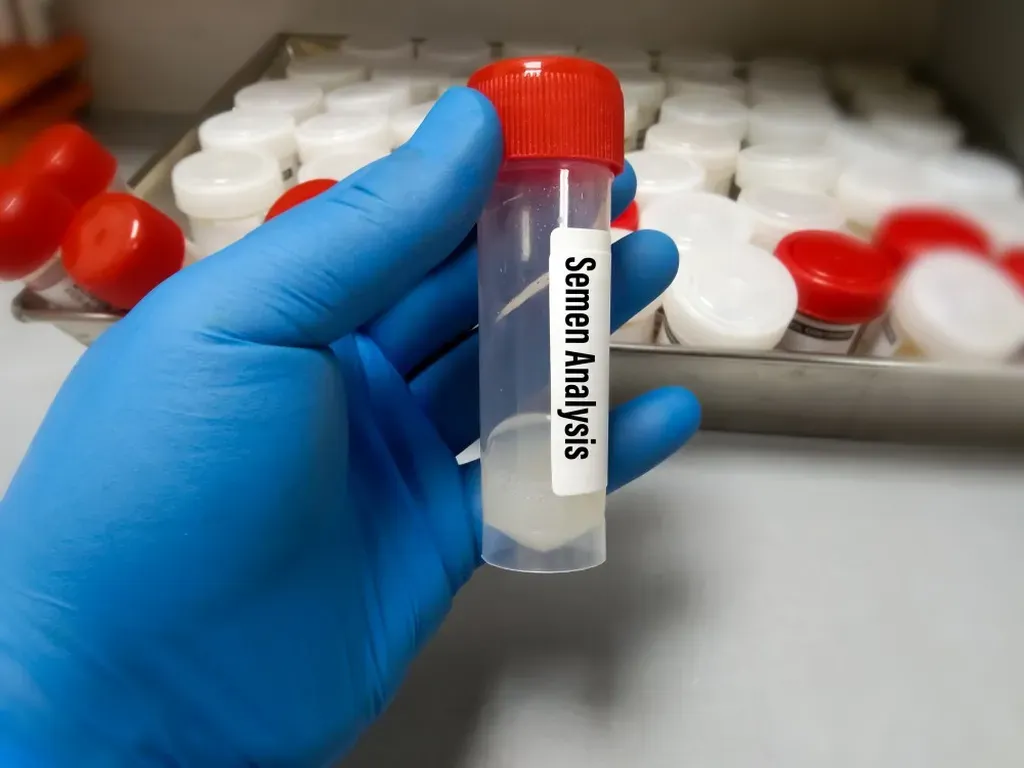
    A semen analysis is a noninvasive procedure that allows us to observe the sperm and semen of the male partner. A semen analysis can target a number of issues we can treat or circumvent with the help of certain procedures. 

    Ovulation analysis 

    For the female partner, we start by determining the regularity and health of her ovulation schedule. We can do this through hormone testing. In some cases, we may recommend another exam called a hysteroscopy

    This procedure is only minimally invasive and utilizes a long, thin device with a camera to look inside the uterus. We might also take a biopsy of the uterine lining to determine if there are any additional issues causing infertility.  

    What your infertility evaluation will teach you

    In many cases, your infertility evaluation will allow you to learn more about why it’s been difficult for you to conceive. About 85% of couples have an identifiable reason for their infertility. Once you know the why, you can move on to the next steps.  

    The more you know about yourselves and your needs, the easier it will be to create a successful conception plan. We offer many services — such as IVF and IUI — to help you take the next step in your fertility journey and start down the road to parenthood.   

    Get an infertility evaluation today

    We are always ready to assist our patients in making their dreams of parenthood come true. Visit us online and make an appointment, or call our San Diego, California, office.

  • 3 Sperm Issues a Semen Analysis Can Target

    3 Sperm Issues a Semen Analysis Can Target

    Have you been trying to conceive a child and experienced a few bumps in the road? A semen analysis is a quick, noninvasive test to determine if you’re dealing with one of three common sperm issues.

    Determining the cause of infertility can take time and testing. But it’s important to remember either or both partners can experience fertility problems. About one-third of infertility problems involve a problem with the male partner, while the other two-thirds are related to the female partner or both partners.   

    Getting a semen analysis is a noninvasive way to rule out a number of sperm and semen-related issues. This test often occurs early in the treatment journey because it’s quick, easy, and helpful for targeting certain common problems.  

    At Gen 5 Fertility in San Diego, California, we serve patients from all over the world. Dr. Samuel Wood, Dr. Benito Villanueva, and Dr. Martin Bastuba recommend a semen analysis as an early testing method if you have been trying to conceive for more than a year without success.    

    Getting a semen analysis — and what it can teach you

    A semen analysis involves collecting a sample at our office or your home within one hour of ejaculation. This ensures that dehydration or temperature change won’t affect the sample.  

    We then examine the semen (the fluid) and the sperm under a microscope to evaluate several fertility-related factors. Specifically, we target three sperm-related issues.  

    1. Motility 

    The sperm must travel quickly and efficiently to reach the egg. If your sperm has low motility, it can’t do this. Fewer than 20 million motile sperm indicates low motility in a semen analysis. 

    Stress, overheating, drinking, and smoking can contribute to motility problems, and remedying these behaviors could help. Treatment options like IVF or IUI could allow you to conceive more easily. 

    2. Count 

    Your sperm count should be above 15 million per sample to conceive naturally. If you have a lower sperm count, it will show up in the semen analysis. Many of the same issues associated with low motility can also cause a low sperm count, but the problem could be unassociated with outside stimuli.  

    Treatments include dealing with infections and underlying issues such as erectile dysfunction. Hormonal testing could help you determine if low testosterone levels are to blame.  

    3. Shape

    It’s common for some sperm to have an abnormal shape, but if more than half of your sperm have an atypical head or tail, it may be hard for you to impregnate your partner. An example of abnormal sperm shapes seen in a semen analysis can include sperm with double or no tails or heads that are the wrong shape or too big.  

    Sometimes, this issue is genetic, but the problem could be chemical exposure, an infection, or overheating. Whatever the cause, IUI or IVF can be great options to help you and your partner conceive more easily. 

    Get a semen analysis 

    It’s often possible to conceive, even if you have one of the sperm issues mentioned here. Many infertility treatments can help you and your partner have a child, so determine which will work best for you.  

    Make an appointment to visit our San Diego office online, or call today. We can’t wait to help you make your dreams come true!

  • Understanding Reproductive Hormones

    Understanding Reproductive Hormones

    Reproductive hormone imbalances are often the issue behind infertility. Learning more about the hormones responsible for conception can help you navigate your fertility journey.

    An imbalance of reproductive hormones is a common problem for couples who have been trying to conceive for over a year with no luck. But which hormones are in this group, and how do they work together to help you get pregnant?  

    Knowing the facts will help you recognize the factors associated with conception and better understand your hormonal testing results before taking any next steps. 

    At our Gen 5 Fertility office in San Diego, California, we help you learn more about the possible roadblocks in your fertility journey and offer you options that help make conception more successful. Our providers — Dr. Samuel WoodDr. Benito Villanueva, and Dr. Martin Bastuba — offer hormonal testing as one of the initial options for fertility testing. 

    A briefing on reproductive hormones

    Reproductive hormones include all those associated with sexuality, puberty, and fertility. For our purposes, we focus on the fertility hormones that allow you to become pregnant or to get someone else pregnant.  

    In the United States, between 10 and 15% of couples deal with infertility problems, which means they’ve been trying to have a baby for over a year without success. Determining if this could be due to a hormone imbalance is often a great way to start investigating because hormonal testing only requires a blood sample. 

    The common reproductive hormones 

    Both women and men have reproductive hormones, but they produce different effects, some of which can affect conception and pregnancy.  

    Testosterone

    Testosterone is the male sex hormone, and it occurs in both sexes. If a man’s level is too low, it can cause lower sperm production; if a woman’s level is too high, it can be difficult for her to conceive. 

    Estrogen

    The primary female hormone, estrogen, has three types: estriol, estradiol, and estrone. In females, it helps to keep the lining of the uterus healthy, so it needs to be at a certain level to perform this function. Men also have estrogen; like testosterone in women, high levels can create fertility problems.  

    Progesterone 

    Progesterone is a female sex hormone that regulates menstruation, prepares the body for pregnancy by thickening the endometrium lining to host a fertilized egg, and prevents the contractions that cause the body to expel unneeded eggs during menstruation.  

    Follicle-stimulating hormone (FSH)

    FSH comes from the pituitary gland and regulates egg production. Lower levels of FSH are best for conception, but as you age, your FSH levels tend to rise. If your FSH is too low or too high, you may experience fertility problems.  

    Luteinizing hormone (LH)

    LH, another pituitary hormone, causes the ovaries to produce oestradiol, signaling the body to create more progesterone post-fertilization. Levels of LH rise somewhat before ovulation, but moderate levels are best. 

    Human chorionic gonadotropin (hCG) 

    Pregnancy tests detect hCG, the hormone that helps eggs develop normally and causes the egg to release during ovulation. Low hCG levels aren’t necessarily a sign of infertility, but the hormone can be given as a shot to induce ovulation to help women conceive.  

    What to do if you have a hormonal imbalance

    If your or your partner’s tests indicate a hormone imbalance, you can begin to consider your treatment options. Depending on your situation and needs, we’re happy to help you find the best choice for your family.  

    To get hormonal testing, visit us at our San Diego, California, office. Simply make an appointment using our online system, or call us today.

  • Reasons You May Need a Hysteroscopy

    Reasons You May Need a Hysteroscopy

    A hysteroscopy is a minimally invasive procedure that can diagnose and treat many issues associated with infertility, abnormal bleeding, and more. Find out how it can help you.

    A hysteroscopy is a versatile procedure that can help solve several vaginal and infertility-related issues. The procedure doesn’t involve a lengthy recovery, is easy to tolerate, and can diagnose and even treat numerous problems.  

    At Gen 5 Fertility, we offer fertility and ovarian rejuvenation treatments for people of different situations, ages, and needs. One of these is a hysteroscopy, which our providers — Dr. Samuel Wood, Dr. Benito Villanueva, and Dr. Martin Bastuba — perform in-office at our San Diego, California, location.   

    Hysteroscopy 101

    Hysteroscopies are minimally invasive procedures where we use a hysteroscope to look inside your uterus. This device is a thin tube with a camera attached so we can view your vagina and cervix on a monitor, which allows us to visualize any internal abnormalities.  

    If necessary, we simultaneously perform a biopsy — taking a small tissue sample. Other times, we may perform minor surgery called operative hysteroscopy. After the procedure, you can return to normal activities immediately or within 24 hours.  

    You won’t need to be asleep for the procedure, but a sedative may help keep you comfortable and calm. There are few complications associated with a hysteroscopy, but you may experience slight bleeding or cramping afterward. Pregnant women and those with active pelvic infections should not have this procedure. 

    Who needs a hysteroscopy? 

    You might consider getting a hysteroscopy for various reasons. Because the procedure is adaptable, has few side effects, and requires little to no recovery time, it can be a fantastic choice for diagnosing or treating several issues.  

    Infertility concerns 

    If you’ve been trying to get pregnant and can’t, or you’ve experienced multiple miscarriages, a hysteroscopy could help us determine why. This procedure can bring issues to light that could affect your ability to have a baby, such as polyps, scar tissue, or fibroids.  

    Treating the causes of infertility 

    A hysteroscopy can also be a great tool for treating certain fertility problems. We can remove growths and adhesions during this procedure to increase your chances of getting pregnant. If the fallopian tubes are blocked, we might also be able to open them up.  

    Abnormal bleeding

    Abnormal bleeding and pain may or may not be related to fertility, but a hysteroscopy can help determine the reasons behind these issues. If you’re bleeding too heavily, too long, between periods, or after menopause, a hysteroscopy can help find out why. 

    Pelvic pain 

    Some people experience unexplained or severe pelvic pain and cramping, making it hard to live their day-to-day lives. If you experience this type of discomfort, a hysteroscopy could help you find the cause.  

    Find out where to go next with a hysteroscopy

    A hysteroscopy can bring a problem with health or infertility to light or even solve it. This procedure may be recommended for many reasons and has helped countless people get closer to their dream of having a child.  


    To schedule a hysteroscopy, visit our San Diego, California, office today. Call us, or book an appointment online at your convenience.

  • Should You Consider IUI?

    Should You Consider IUI?

    Have you considered IUI as an option to help you conceive a child? You should; this treatment can be highly effective at managing infertility and allowing single people and couples to create life.

    Have you been struggling to conceive and wondering about the different fertility treatment options available? It may be time to consider intrauterine insemination or IUI.  

    IUI (also called artificial insemination) can make it much easier to conceive a child with your partner or with the help of a sperm donor. It’s a beneficial first-line treatment for couples and single individuals looking to conceive.  

    Here at Gen 5 Fertility, Dr. Samuel Wood, Dr. Benito Villanueva, Dr. Martin Bastuba, and our team want to enable you to become a parent with the most economical and least invasive treatment options. This is why we often recommend our patients consider IUI to those who are good candidates.   

    How IUI works 

    IUI involves several steps that make it much easier to conceive a child. If you’ve been struggling to conceive, IUI could be an excellent option.  

    You start by taking medications to boost your fertility. We monitor your follicles to ensure you’re releasing mature eggs. During this time, we also collect sperm from your partner or a sperm donor.  

    When the follicles release multiple mature eggs, we select the best sperm and place them inside your uterus using a catheter inserted into your cervix, then release the sperm so they can fertilize the eggs.  

    Why choose IUI

    While there’s no guarantee IUI will work on the first try, it’s often a good option for those starting the journey to conceive with medical help because the procedure is less expensive and invasive than IVF. 

    Sometimes, the fertility medications used in IUI enable couples to conceive more easily on their own.  

    The best candidates for IUI

    IUI isn’t for everyone. For example, IUI likely won’t provide effective results for those suffering from fallopian tube or severe male infertility issues. Female fertility issues that can be treated with IUI include:

    • Problems with the cervix or cervical mucus 
    • Low or infrequent ovulation 
    • Mild endometriosis 

    IUI can also help with the following male infertility issues:

    • Low sperm count
    • Low sperm motility
    • Abnormal sperm morphology
    • Ejaculation or erection problems 

    IUI is also a great option for those who are experiencing trouble conceiving but have yet to determine a cause because the procedure doesn’t require a long-term commitment.  

    Further, IUI isn’t only a treatment for infertility; it also helps single people and couples who want to conceive with the help of a sperm donor.  

    Is IUI right for me? 

    Your parenting journey is unique. To find out if IUI could help you create the family of your dreams, we’d love to meet you in our San Diego, California, office to discuss your needs. Simply make an appointment online, or call today. 

  • What a Semen Analysis Can Tell Us

    What a Semen Analysis Can Tell Us

    Are you worried about male infertility? A semen analysis is a quick, noninvasive test that allows us to find issues with your seminal fluid or sperm that might be hindering you from conceiving a child.

    There are more options than ever for those having trouble conceiving. And if you are dealing with these issues, it may be time to find out what — if anything — might be getting in the way.  

    HSG determines potential issues with the uterus and fallopian tubes, while a semen analysis identifies problems with the semen and sperm.  

    At Gen 5 Fertility, we offer caring, considerate diagnostics and treatment for several fertility issues. Our providers — Dr. Samuel Wood; Dr. Benito Villanueva; Dr. Martin Bastuba; Catharine Adams, PhD, ACLD(ABB); and Molly Chen-Chu, MS, MHA, TS(ABB) — are here to walk alongside you on this journey toward parenthood, no matter your situation.  

    When to get a semen analysis 

    According to Yale Medicine, male infertility is the cause of a couple’s inability to conceive more than 50% of the time. Several issues could increase a man’s risk of infertility, including age, smoking, alcohol, recreational drugs, certain medications, and radiation exposure.  

    We advise our patients to try regular intercourse with their partner for at least a year before seeking infertility diagnostics. Even if one of these issues is present, there is a possibility you might be able to conceive easily. However, if you’ve been trying for more than a year with no luck, it’s time to find out why.  

    What a semen analysis will tell you 

    A semen analysis involves collecting a fresh sample of semen at our facility. You might need to provide more than one sample, as sperm counts can vary from day to day. After you have provided your sample, we analyze it.  

    This analysis can help us catch several possible fertility issues that could affect your ability to conceive a child. These include problems with the seminal fluid and with the sperm itself.  

    Semen-related issues  

    Analysis of the seminal fluid could show several issues, some of which can quickly be rectified. These could include high pH levels, indicating an infection or lack of liquefaction.  

    In some cases, more severe issues, such as blood in the semen or liver damage, can also be discovered through a semen analysis. Low pH caused by a blockage or low or high production of seminal fluid could also cause infertility and would show up in this analysis.  

    Sperm-related issues 

    The semen analysis involves testing your sperm for any problems. Low sperm count, low motility, and abnormal sperm shape may prevent conception.  

    After the analysis

    For some of these issues, medications or lifestyle changes could help. However, if you’re experiencing severe problems or more than one simultaneously, you and your partner have several options to help conceive.  

    IUI or IVF can be helpful for couples struggling with natural conception. With these procedures, only the healthiest sperm are used to ensure a better chance of fertilization, or a sperm donor could be used. The most important thing is to first find out what — if any — problems could be affecting your ability to conceive if you’ve been trying without luck.   

    Get a semen analysis today

    Semen analyses are easy and noninvasive. With this test, you will discover the issues that may be making it more difficult for you and your partner to conceive, many of which can be treated or circumvented with different options.  

    To make an appointment at our San Diego, CA, office, book online or call us at your earliest convenience.

  • What You Should Know Before Considering IVF

    What You Should Know Before Considering IVF

    In vitro fertilization allows many prospective parents to conceive successfully despite fertility issues. Could it be the answer to your fertility problems? Before you consider IVF, there are a few details to go over.

    In vitro fertilization (IVF) has allowed millions of couples to successfully conceive and give birth after experiencing infertility.  

    In fact, research shows that 33% of couples undergoing IVF get pregnant on their first cycle of treatment, and 54-77% of prospective mothers get pregnant within the first eight cycles of IVF.  

    If you and your partner have tried other fertility treatments like lifestyle changes or fertility medications and are still having trouble conceiving, IVF may be the next logical step. 

    You can trust our experts at Gen 5 Fertility Center in San Diego, California, to help you and your partner increase your chances of conceiving through IVF. Our president and director of fertility services is world-renowned fertility specialist and board-certified reproductive endocrinologist Samuel Wood, MD, PhD

    While IVF is a promising technique for many couples who want to have children, it’s not for everyone. We want you to be well-informed about IVF, what to expect, and its risks so you and your partner can make the decision yourselves.  

    The steps of IVF treatment

    IVF can be a lengthy process, especially if you go through multiple cycles before getting pregnant. You may use your and your partner’s own eggs and sperm if they’re viable, or you can use gametes (either eggs or sperm) from a donor.  

    If you choose to use your own eggs for IVF treatment, the first step is to stimulate ovulation. You take fertility medications to increase the number of eggs your ovaries release, which is typically just one per cycle. But you need multiple healthy eggs to undergo IVF.  

    Once the eggs are mature, we extract about 8-10 of them using safe ultrasound guidance. We mix those eggs with healthy sperm samples in a lab before a brief incubation period.  

    Once fertilized by the sperm, the eggs become embryos. We use genetic testing to evaluate the embryos to search for genetic abnormalities before attempting implantation and freeze them until the results are in.  

    Finally, we implant a single embryo at a time into your uterus as you continue taking fertility medications to build a healthy uterine lining. We also offer platelet-rich plasma (PRP) and enriched platelet factors to boost the health of your ovaries and increase your chances of successful IVF treatment.  

    Risks to consider

    Using IVF to conceive comes with a few possible risks as well as increased chances of certain not-so-dangerous events happening during your pregnancy. With our option for genetic testing, you can minimize your risk of genetic abnormalities for your baby.  

    But IVF may increase your chances of:

    • Having multiple births (e.g., twins, triplets)
    • Giving birth prematurely
    • Having a child with a low birth weight
    • Having an ectopic pregnancy
    • Suffering a miscarriage

    The procedures associated with IVF can be stressful in themselves, too, so you should have a healthy support system of friends, family, and providers as you go through the process.  

    Our team at Gen 5 Fertility Center team works closely with you and follows all necessary safety protocols as we monitor and maintain your health during IVF and any resulting pregnancy. 

    How to learn more

    IVF is an excellent option for couples who have tried many ways to increase their chances of a healthy pregnancy but without success. To learn more, schedule a visit by calling our Gen 5 Fertility Center or by using our convenient online booking feature today.

  • Ovarian Rejuvenation

    Ovarian Rejuvenation

    What Is Ovarian Rejuvenation? Ovarian rejuvenation is a type of fertility treatments that focuses on your ovary. Ovarian Rejuvenation is used to help support poorly performing ovaries.

    What Is Ovarian Rejuvenation?

    Ovarian rejuvenation is a type of fertility treatments that focuses on your ovary. Ovarian Rejuvenation is used to help support poorly performing ovaries. When the ovarian function starts to decline you’ll experience difficulty with getting pregnant. This can be extremely frustrating and a lot of times women start to look at donor egg options for a better pregnancy outcome.

    The technical term for this is called a premature ovarian failure or premature ovarian insufficiency (POI). This typically tends to be the issue with women who are older than 35-40. When POI starts you will experience an irregular menstrual cycle which can be the beginning of menopause.

    An ovarian rejuvenation will allow for a type of reset in the ovaries to a younger and better-performing ovary. This will allow women having infertility issues to achieve pregnancy without having to get donor eggs to achieve pregnancy.


    Why Would I Need Ovarian Rejuvenation?

    When you experience POI (primary ovarian insufficiency), there isn’t a specific tie to the reason why this happens. What we can tell you is what is happening inside of your ovaries. Your ovaries have follicles (little sacs) that store your eggs and allow them to grow. There are normally one of two things happening, either the follicle stops working properly earlier than it’s supposed to or you simply run out of follicles that are working properly.

    When you’re experiencing POI symptoms, you may have had months or even years of trying to conceive without any success. You may have tried IVF or other infertility treatment that hasn’t been successful for you. If this is the case, you’ve probably been looking at other options like receiving eggs from an egg donor or maybe even adoption.

    If you’re really wanting to conceive and have your own baby. You have the chance to do so with ovarian rejuvenation.


    What Does The Treatment Process Look Like?

    Before we start the ovarian rejuvenation process, we will first test your AMH (Anti-Mullerian Hormone) levels. AMH is made by the follicles that you have in the ovaries. We want to see an increase in AMH through IVF before we start the treatment.

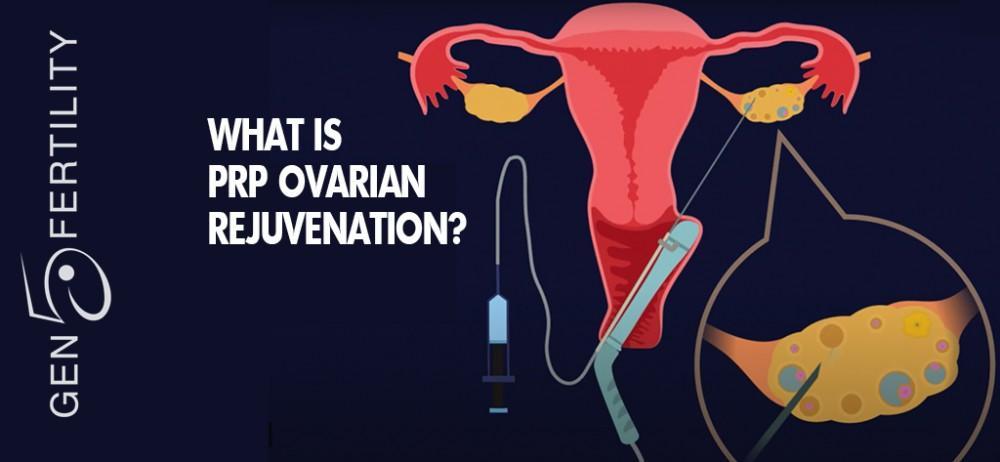
    The treatment process for Ovarian Rejuvenation has three beginning steps. The first is Autologous PRP treatment (Platelet Rich Plasma). The second is Enriched Platelet Factors (EPF) this will include EnPLAF. The third is ULTRA. All of these processes are about using Platelet Enriched Plasma in some part of the step to eventually be injected into your ovaries. This process is nearly painless when it comes to the injection of the PRP or EnPLAF and normally doesn’t require anesthesia. The reason for this is the PRP is guided and directly injected into your eggs with the help of transvaginal guided ultrasound. This style of transfer allows for direct contact with the eggs creating a higher success rate.

    PRP treatment:

    Your blood will be drawn and taken to be centrifuge spins to separate the blood. This is how we will extract the platelets from your blood. The platelets will then be put in plasma to become platelet rich plasma. At this point, the PRP injections are ready to inject into your ovary.

    EPF:

    EPF starts the same way that PRP starts with blood being drawn and put in a centrifuge to separate the blood, extract the platelets, then put into a plasma to create platelet rich plasma. Once this has been done, the PRP will be incubated. After the incubation period is finished, the PRP will be checked for growth factors. The final step is taking the growth factors and injecting them into your ovary.

    ULTRA:

    Ultra with EnPLAF is covered with the same start as PRP and EPF. Blood is drawn and then put in a centrifuge to separate the blood. The PRP is taken and mixed with EnPLAF which in turn creates the ULTRA. As this process is finished, you will then receive an injection with the ULTRA into your ovary. EnPLAF growth factors tend to be about 10-20% higher than in normal PRP.


    How Does Ovarian rejuvenation Help With Infertility?

    The reason that focusing on ovarian rejuvenation therapy for infertility issues, is because of the process of taking growth platelets and putting them in the ovary to allow for stimulating growth. You may be wondering how these growth platelets will help you get pregnant. It’s all about growth. This growth comes from the existing stem cells that are naturally residing in the ovary.

    As your AMH levels spike and we see an increase in the number of follicle growth, you will start the ovarian rejuvenation therapy with platelet rich plasma PRP injections to get your body ready for pregnancy.

    AMH levels are just the beginning of what is needed to get your body ready for pregnancy. When follicle growth happens, that means that we start to see more eggs and healthier eggs. Having healthier eggs means that when the implantation stage starts, the egg will actually attach and grow to become an embryo.


    What Are The Success Rates With Ovarian Rejuvenation Therapy?

    The current success rates with DR. Samuel Wood M.D. Ph.D. in his fertility clinic in San Diego CA; he’s experiencing about 70% success rate with his current practice of ovarian rejuvenation called Gen 5 Fertility.

    There are other factors that go into this, and Dr. Wood is constantly working to get the success rate number up to 90%. There are other factors that play a role in how successful the patients’ results will be. This could simply be the unfortunate but very possible, that there is just not enough left in the patients’ ovary to have a successful treatment.

    To learn more about Ovarian rejuvenation, and all the work Dr. Wood is doing with Gen 5 Fertility treatments, click the button below.

    LEARN MORE ABOUT GEN 5 FERTILITY

    Citation:

    Dr. Mark Sklar . (2020). Gen 5 Fertility’s Ovarian Rejuvenation 2.0. Vimeo. Retrieved March 23, 2022, from https://vimeo.com/415767880?embedded=true&source=vimeo_logo&owner=68728899.

    Gen 5 Fertility . (n.d.). Gen 5 Fertility . photograph. Retrieved March 23, 2022, from https://gen5fertility.com/ovarian-rejuvenation/.

    M;, P. N. P. (2020, July 22). Ovarian rejuvenation through platelet-rich autologous plasma (PRP)-a chance to have a baby without donor eggs, improving the life quality of women suffering from early menopause without synthetic hormonal treatment. Reproductive sciences (Thousand Oaks, Calif.). Retrieved March 23, 2022, from https://pubmed.ncbi.nlm.nih.gov/32700285/

    MedlinePlus. (2022, January 27). Primary ovarian insufficiency | poi. MedlinePlus. Retrieved March 23, 2022, from https://medlineplus.gov/primaryovarianinsufficiency.html

  • PRP Ovarian Rejuvenation Q & A

    PRP Ovarian Rejuvenation Q & A

    PRP (platelet rich plasma) ovarian rejuvenation therapy or autologous platelet rich plasma ovarian rejuvenation therapy, is a fertility treatment that can be used to help restore ovarian function in women…

    PRP (platelet rich plasma) ovarian rejuvenation therapy or autologous platelet rich plasma ovarian rejuvenation therapy, is a fertility treatment that can be used to help restore ovarian function in women who are experiencing ovarian insufficiency while attempting to get pregnant. 

    A woman’s supply of eggs, her ovarian reserve, diminishes over time as she approaches menopause. With so many women postponing pregnancy and childbirth till later in life, and thus attempting to get pregnant with a diminished ovarian reserve, infertility treatment that can improve ovarian function and reproductive health is becoming more and more important. Ovarian Rejuvenation therapy massively increases the chances of a successful pregnancy in women who are experiencing ovarian aging or poor ovarian function. 

    As well as being something that occurs naturally over time, the low ovarian reserve can also be a result of premature ovarian insufficiency (POI). Premature ovarian insufficiency is also known as premature ovarian failure or primary ovarian insufficiency. It happens when the ovaries stop functioning prematurely, usually before the age of 40. Women with premature ovarian failure (POF) often experience infertility as their hormone levels mean that eggs are not being regularly released. 

    Premature ovarian failure is not the same as premature menopause as women with POI/POF can still get pregnant and may have irregular periods for many years. However, the signs and symptoms are similar to those of perimenopausal women. Clinical studies looking at platelet rich plasma ovarian rejuvenation have seen encouraging results for women with diminished ovarian reserves caused by either POI/POF or getting close to menopause, making this an exciting area of reproductive medicine. 

    What is PRP Ovarian Rejuvenation?

    PRP stands for platelet rich plasma also known as autologous platelet rich plasma. Autologous plasma simply means that it comes from the patient rather than being from a donor. PRP is derived from whole blood taken from the patient, centrifuged to isolate the platelets. These platelets can then be activated and injected into the ovaries. 

    PRP that has been around for around 30 years and has been used in many different areas of medicine. PRP involves using the growth factors that are released from platelets to enhance the effect of surgical procedures. PRP platelet rich plasma supports healing by promoting new cell growth and improving blood circulation. 

    Amongst other things autologous platelet-rich plasma treatment has been used by athletes to speed up healing after an injury, it has been used to treat androgenic alopecia, and it has been used to treat osteoarthritis. 

    A PRP injection is prepared by drawing blood from the patient which is then put into a centrifuge to separate out the red blood cells, platelets, and plasma. PRP platelet rich plasma is extracted and prepared for injection. Platelets are activated so that they will release growth factors and the platelet-rich plasma is then injected into the area requiring treatment, in this case, the ovaries. 

    In the case of an ovarian injection, a vaginal ultrasound is used to identify the ovaries and ensure the PRP injection is delivered to precisely the right location. This is done without a general anesthetic and is a nearly pain-free procedure meaning patients can receive the treatment within a matter of hours. 

    What Does PRP Do?

    When it comes to fertility preservation, platelet-rich plasma PRP aims to do two things. It increases the number of eggs and it increases the quality of the eggs and the embryos both of which are vital for improving fertility. PRP also seems to help reduce miscarriage as there is a better chance of a healthy embryo which is the primary concern for both patients and fertility specialists. This means that it enables women visiting fertility clinics, who may have previously relied on egg donation, to conceive using their own eggs rather than donor eggs. 

    Once the PRP ovarian rejuvenation procedure has been completed patients are monitored with periodic blood testing to look at the hormones that reflect ovarian function. Response time varies between women varying from a very quick response to a few months. Once a positive response is detected IVF or other treatment can then proceed. 

    Who Should Have PRP?

    The fact that PRP injections are autologous, meaning they contain substances that come directly from your own body, means there is very little risk of rejection making this a safe procedure for most women. 

    PRP ovarian rejuvenation is suitable for most women who are concerned they either do not have enough eggs or that the eggs they have are not high enough quality. Ovarian rejuvenation clinical trials have shown that PRP is associated with ovarian function which helps with IVF, hormone treatments, and other fertility treatments. The oocytes retrieved can be used for IVF treatment or egg freezing. 

    Ovarian rejuvenation may be beneficial for women who are looking to conceive naturally, who have a low egg reserve as indicated by fertility testing showing low anti-mullerian hormone (AMH) levels, have experienced multiple IVF failures, or have been diagnosed with premature ovarian failure. 

    Ovarian rejuvenation may also be used by women who do not have fertility concerns as recent studies have shown benefits including improved sex drive, better sleep, and better energy levels without the need for hormonal treatments. 

    How Does Platelet Rich Plasma PRP Work?

    Autologous platelet-rich plasma treatment works by using ultrasound guidance to give an intraovarian injection of autologous platelet-rich plasma. This platelet rich plasma contains a number of growth factors that stimulate cell regeneration as well as improving blood supply and vascularization. 

    While studies have shown a positive ovarian response to PRP injections it is unclear whether eggs recovered after treatment were there all along and simply activated by the treatment, or whether there was interaction with ovarian stem cells leading to the creation of more eggs. 

    How Long Does Ovarian Rejuvenation Last?

    Ovarian failure is a natural part of aging and rejuvenation treatments cannot stop this process from happening indefinitely. Although there is limited data available as clinical trials are still ongoing. 

    Because it is not known exactly how long ovarian rejuvenation will last, patients who have had a positive response to treatment are encouraged to undergo IVF, embryo freezing, or other treatments with minimal delay. Success rates are variable and some women may wish to undergo more than one treatment. 

    The regenerative effect on ovarian tissue may mean that if the fallopian tubes are open and male fertility is not an issue couples that were not previously able to conceive are able to conceive naturally. This removes the need for IVF clinical intervention and embryo transfer which can further increase the chances of pregnancy and live birth. 

    Further research is needed into exactly how PRP ovarian rejuvenation works. Until relatively recently it was understood that women are born with a finite number of eggs and that the body was unable to generate new eggs. These eggs are released by the ovaries at each menstrual period until such time as menopause is reached. 

    Recent studies however have shown the existence of ovarian stem cells in adult mice that could differentiate into functional eggs and give rise to viable embryos. If human ovarian stem cells exist and can perform in the same way then it is possible that they are stimulated by PRP therapy and that the effects of ovarian rejuvenation could be much longer-lasting. 

    Gen 5 Fertility are world leaders in Ovarian rejuvenation and offer not only PRP ovarian rejuvenation therapy but also EPF (enriched platelet factors) including EnPLAF and ULTRA. All are used to improve poor human ovarian function with the latest Gen 4 treatment being specifically designed to help women who are reproductively older in particular those who have very low levels of Anti-Mullerian hormone, a marker for ovarian reserve, and those with a very low antral follicle count (AFC). 

    EPF is an enhanced form of PRP that injects highly enriched growth factors without the platelets. The procedure starts in the same way as PRP and the intra-ovarian injection is the same, but the platelets are incubated for a number of hours and it is the growth factors themselves rather than the platelets that are injected. ULTRA is our most advanced treatment, a procedure that combines both PRP and EPF. 

    Gen 5 Fertility’s success also relies on how the procedures are delivered. Gen 5 Fertility are world leaders in ultrasound-guided ovarian rejuvenation and are committed to improving the effectiveness of the procedures.